14 September 2024
How to Choose the Right Skip Bin Size: A Guide to Skip Bin Hire
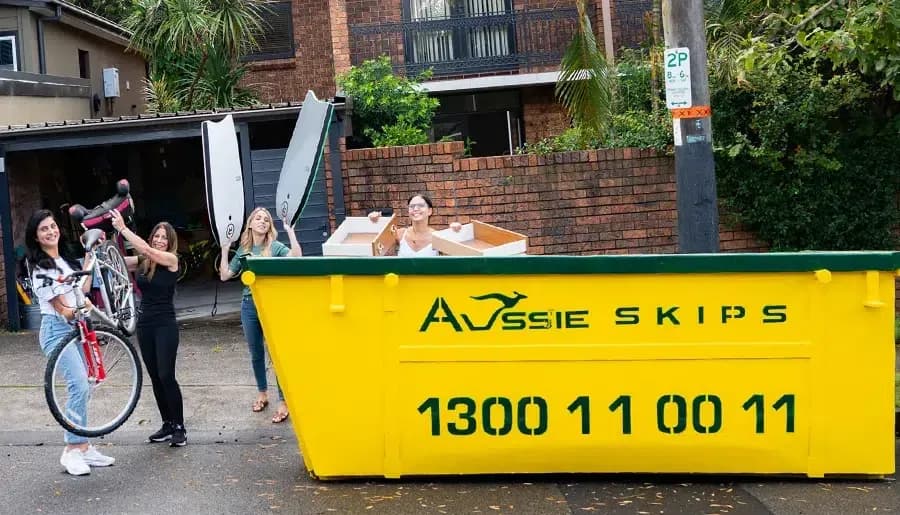
When it comes to waste management, choosing the right skip bin
Here are the key considerations to help you choose the right skip bin
Why Skip Bin Size Matters
Selecting the correct skip bin
Common Skip Bin Sizes and Their Uses
Skip bins come in a variety of sizes to cater to different types of projects. Here’s a breakdown of some common skip bin sizes and their typical uses:
- 2-3 Cubic Metres
- Best For
- Capacity
- Example Waste
- 4-6 Cubic Metres
- Best For
- Capacity
- Example Waste
- 7-10 Cubic Metres
- Best For
- Capacity
- Example Waste
- 12-15 Cubic Metres
- Best For
- Capacity
- Example Waste
How to Determine the Right Size for Your Project
To choose the right skip bin size, consider the following factors:
- Type of Waste
- Assess the type of waste you’ll be disposing of. Heavy materials like concrete, bricks, and soil take up more space and might require a larger skip bin. However, keep in mind that most skip bins have weight limits.
- Volume of Waste
- Estimate the volume of waste you expect to generate. It’s always better to overestimate slightly to ensure you have enough space. A skip bin that’s too small can lead to overfilling, which might result in extra charges.
- Project Duration
- Consider the duration of your project. If your project takes several days or weeks, you might accumulate more waste than initially expected. A larger skip bin might be more cost-effective in the long run.
- Location and Space
- Assess the available space where the skip bin will be placed. Ensure there’s enough room for the bin to be delivered and picked up. If space is limited, you might need to choose a smaller bin or opt for multiple pickups.
Tips for a Successful Skip Bin Hire
- Plan Ahead
- Know What You Can and Cannot Dispose of
- Fill the Bin Efficiently
Choosing the right skip bin